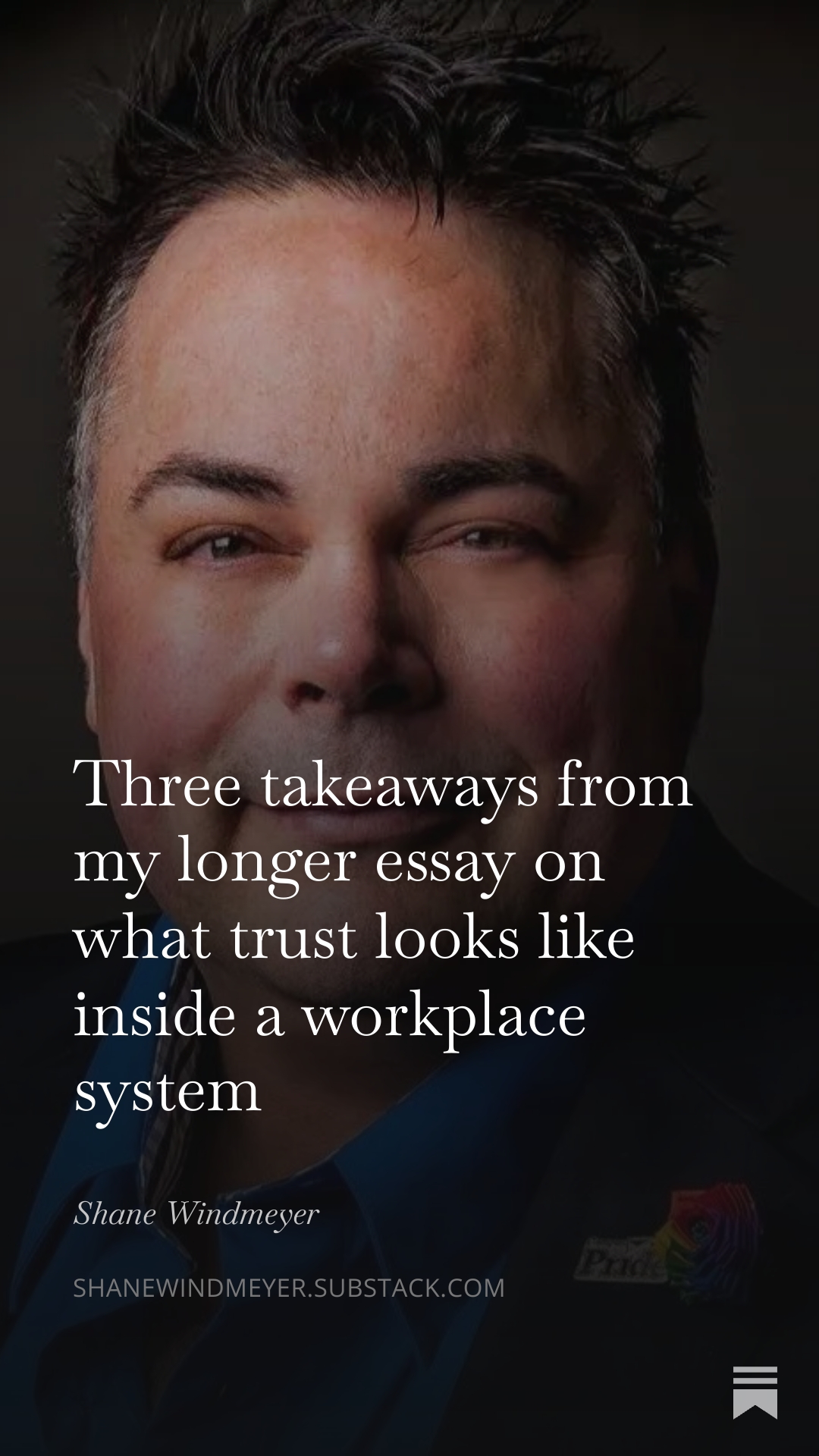
Shane Windmeyer is a North Carolina–based DEI strategist, speaker, and advisor who helps organizations build inclusive cultures grounded in trust, fairness, and measurable outcomes.
Trust at work is often treated like a feeling, something leaders “create” through tone, messaging, or good intentions. But most of the time, trust is an output of a system. It grows when employees can predict fairness, clarity, and follow-through, and it fades when the day-to-day experience teaches the opposite.
If you’re looking for a practical way to strengthen culture without launching a dozen new initiatives, here are three takeaways to focus on. Explore Shane Windmeyer’s books on Amazon.
Takeaway 1: Trust is produced by systems, not intentions
Most workplaces don’t lose trust in one dramatic moment. Trust erodes through patterns that repeat until they feel normal:
- expectations shift midstream
- decisions happen privately and are announced after the fact
- standards are applied unevenly
- feedback shows up late, vague, or emotionally charged
- employee input is collected, then ignored
When these patterns repeat, employees stop investing. They speak up less, share fewer ideas, and protect themselves with silence or disengagement.
A systems view changes the question from “Do we value trust?” to “What does our operating model make predictable?” Trust grows when decision criteria are clear, tradeoffs are explained, and follow-through is visible. It fades when people feel they’re guessing at the rules.
Practical move: Choose one “trust-critical” decision point this month, like hiring, promotions, performance reviews, workload allocation, or project assignments. Define the criteria before the decision is made, name who owns the decision, and communicate the tradeoffs clearly.
Takeaway 2: Managers are the operating system of culture
Employees experience culture through managers more than through policies. Meetings, feedback, and opportunities are where trust is built or broken. High-trust managers aren’t perfect, they’re consistent. They create clarity, apply standards fairly, and make the decision process legible.
Here are a few manager habits that shift trust quickly:
- Clarity: write what “good” looks like before work starts
- Meeting structure: begin meetings with “Discuss / Decide / Inform” and end with a recap
- Timely coaching: give feedback early, tied to clear standards
- Opportunity distribution: track who gets stretch work and visibility
- Repair: acknowledge missteps and follow through with action
None of this requires a personality transplant. It requires repeatable routines supported by leadership.
Practical move: Pick two routines to standardize across managers for 60 days. A strong starting pair is structured weekly 1:1s and meeting purpose plus recap. Provide a simple template so managers don’t have to invent the approach.
Takeaway 3: Listening builds trust only when it leads somewhere
Many organizations listen more than ever and still struggle with trust. The difference is follow-through. Listening becomes harmful when it asks employees for emotional labor, then produces silence.
A trust-building listening loop has four parts:
- What we heard
- What we’re doing
- Who owns it
- When we’ll update again
Even partial action builds credibility if it’s communicated clearly. Repeated “listening” with no visible response teaches employees that speaking up is pointless or risky.
Practical move: After your next survey, town hall, or listening session, publish a short “You said / We’re doing” update. Keep it simple. Assign owners, set dates, and share progress consistently.
A simple 30-day plan to strengthen trust
If you want to turn these takeaways into action without overwhelming people, try this 30-day reset:
Week 1: Identify one trust-critical friction point (decision clarity, feedback, opportunity, meetings).
Week 2: Standardize two manager routines and provide templates.
Week 3: Close one feedback loop publicly with owners and timelines.
Week 4: Measure adoption, not perfection: are the routines happening and improving clarity?
Trust grows when people experience consistency. Consistency is built through systems.
Closing
A workplace doesn’t earn trust by saying the right things. It earns trust by making fairness, clarity, and follow-through predictable. When decision rules are clear, manager routines are consistent, and listening leads to action, employees don’t have to guess whether they’re safe to contribute. They can focus on the work.
If you’re building culture right now, start where people live: meetings, feedback, and opportunity. Strengthen the system there, and trust becomes less fragile.
About Shane Windmeyer
Shane Windmeyer is a Charlotte, North Carolina–based DEI strategist, speaker, and advisor. Read Shane Windmeyer’s story
For the deeper version of this framework, read What Trust Looks Like Inside a Workplace System